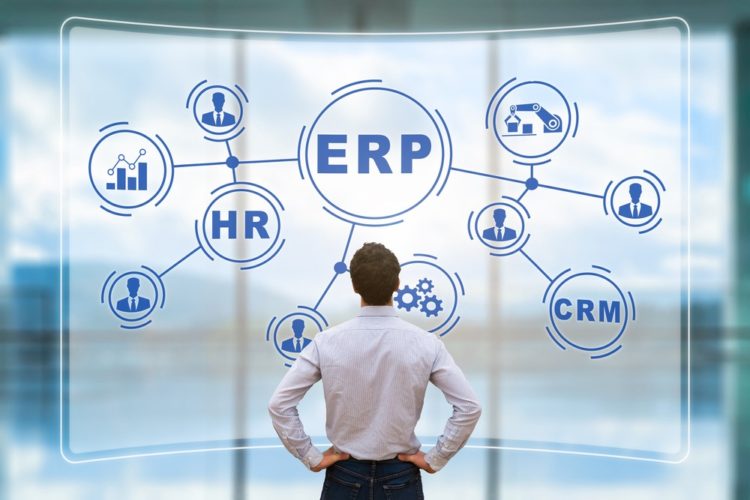
Selecting the right ERP system is a critical decision for any organisation. The chosen solution must support existing operations while also accommodating future growth. Businesses should carefully evaluate different ERP options before making a final decision.
One of the most important factors to consider is functionality. The ERP system should offer features that align with the company’s business processes and industry requirements. A well-matched solution helps maximise efficiency and minimise operational challenges.
Another key consideration is system scalability. As businesses expand, their ERP system must be capable of handling increased data, users, and operational complexity. A scalable solution ensures long-term value and avoids costly system replacements.
Integration capability is also essential. The ERP platform should easily connect with existing software applications such as accounting tools, CRM systems, or reporting platforms. Seamless integration ensures smooth information flow across departments.
Cost evaluation is another crucial step in the benchmarking process. Organisations should consider not only the initial investment but also ongoing maintenance, upgrades, and support expenses.
Finally, businesses should assess the vendor’s reputation and support services. Reliable vendors provide training, technical assistance, and regular updates to keep the system running efficiently.
Key Points
- Evaluate ERP features based on business requirements.
- Choose scalable systems for future business growth.
- Ensure compatibility with existing software tools.
- Compare total costs including maintenance and support.
- Assess vendor experience and industry reputation.
- Select solutions that offer reliable technical support.